Render & Plaster Sealers
Strengthen your Render & Plaster
Render & Plaster Sealers
Strengthen your Render & Plaster
Find the Right Admix for Your Render or Plaster Sealer
Plaster and render provide a versatile and attractive finish for walls and architectural surfaces, but many plaster and render substrates are naturally porous and can absorb water, moisture and staining substances. The right plaster sealer can help protect these surfaces while preserving their appearance and allowing the substrate to breathe.
At WA Sealers, we supply professional plaster and render sealers suitable for a range of applications, including Venetian plaster, lime-based plaster, sand-finish render and external rendered surfaces.
Every plaster and render surface has different characteristics and protection requirements. The best plaster sealer will depend on the type of substrate, the level of exposure, the desired finish and the type of protection required.
A suitable plaster sealer can help provide:
- Water Repellency: Reduce water absorption and help protect porous surfaces from moisture.
- Stain Protection: Help prevent oils, dirt and other staining substances from penetrating the surface.
- Breathability: Allow moisture and gases to move through the substrate, which is particularly important for lime-based and moisture-sensitive surfaces.
- Natural Appearance: Protect the surface without creating an unwanted heavy or plastic-looking coating.
- Surface Enhancement: Depending on the product selected, enhance colour, create water beading or provide a subtle satin or gloss finish.
Our range includes breathable penetrating and protective plaster sealers designed to provide different levels of water repellency, stain resistance, colour enhancement and surface protection, allowing you to select the right solution for your plaster or render application.
Find the Right Admix for Your Render or Plaster Sealer
Plaster and render provide a versatile and attractive finish for walls and architectural surfaces, but many plaster and render substrates are naturally porous and can absorb water, moisture and staining substances. The right plaster sealer can help protect these surfaces while preserving their appearance and allowing the substrate to breathe.
At WA Sealers, we supply professional plaster and render sealers suitable for a range of applications, including Venetian plaster, lime-based plaster, sand-finish render and external rendered surfaces.
Every plaster and render surface has different characteristics and protection requirements. The best plaster sealer will depend on the type of substrate, the level of exposure, the desired finish and the type of protection required.
A suitable plaster sealer can help provide:
- Water Repellency: Reduce water absorption and help protect porous surfaces from moisture.
- Stain Protection: Help prevent oils, dirt and other staining substances from penetrating the surface.
- Breathability: Allow moisture and gases to move through the substrate, which is particularly important for lime-based and moisture-sensitive surfaces.
- Natural Appearance: Protect the surface without creating an unwanted heavy or plastic-looking coating.
- Surface Enhancement: Depending on the product selected, enhance colour, create water beading or provide a subtle satin or gloss finish.
Our range includes breathable penetrating and protective plaster sealers designed to provide different levels of water repellency, stain resistance, colour enhancement and surface protection, allowing you to select the right solution for your plaster or render application.
How Do I Choose the Best Render/Plaster Sealer?
Before selecting a product, consider:
What type of plaster or render are you sealing?
Lime plaster, Venetian plaster, sand-finish render and cementitious surfaces can have different requirements.-
-
Does the surface need to remain highly breathable?
For lime-based and moisture-sensitive surfaces, choose a breathable sealer that allows moisture and gases to move through the substrate.
-
-
What level of water protection do you need?
Choose between products focused on breathability, water repellency or additional stain protection.
-
-
What finish do you want?
- Depending on the product, the final appearance can range from natural to satin or high gloss.
Is the surface exposed to staining?
For alfresco areas, external walls and high-risk surfaces, a product with oil and stain repellency may be preferable.
Render & Plaster Surfaces
Explore our recommendations below to find the right solution for your application.
Render & Plaster Surfaces
Explore our recommendations below to find the right solution for your application.
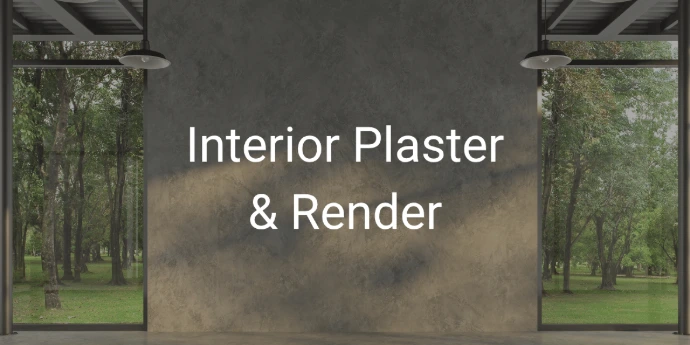
Interior plaster and render are widely used for feature walls, decorative finishes, Venetian plaster, lime plaster and other architectural surfaces.
While internal surfaces are protected from direct exposure to rain and harsh weather, porous plaster can still absorb moisture, oils, dirt and other staining substances from everyday use.
Choosing the right plaster sealer can help protect internal plaster and render while preserving the natural character, texture and appearance of the finished surface.
A suitable sealer can also make porous surfaces easier to clean and maintain, helping them retain their appearance for longer.
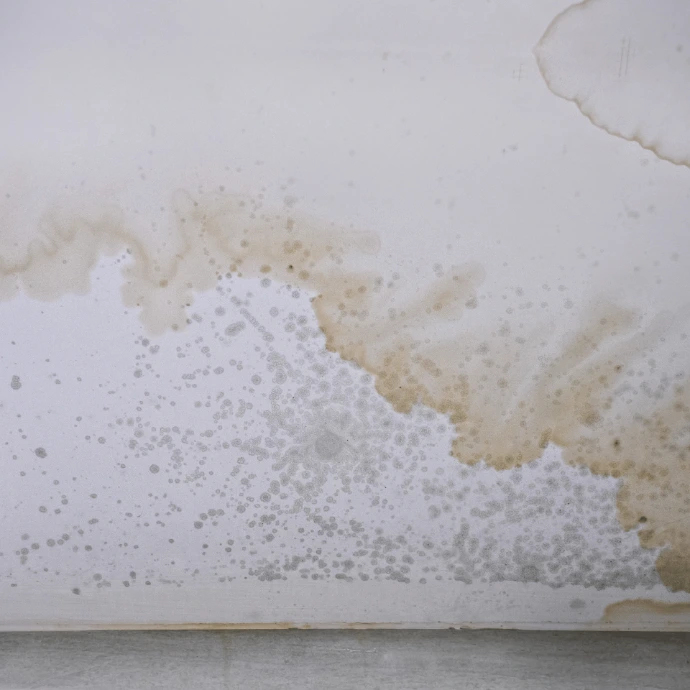
A quality plaster sealer provides an important layer of protection against the everyday contaminants that can affect porous interior surfaces. Water, spills, oils, food, dirt and other substances can penetrate unsealed plaster and potentially leave permanent marks or discolouration.
Applying a suitable sealer for plaster can reduce the absorption of these substances, helping protect the surface from staining and everyday wear. This is particularly valuable for decorative plaster finishes and feature walls where maintaining the original appearance is an important part of the design.
For surfaces such as Venetian plaster and lime plaster, it is also important to consider breathability. A breathable plaster sealer allows moisture and gases to move through the substrate rather than creating an impermeable barrier that may interfere with the natural characteristics of the plaster.
Many decorative plaster and render finishes are selected for their natural texture, colour and unique appearance. The wrong type of coating can alter these characteristics by creating a noticeable film or changing the surface sheen.
Penetrating and breathable plaster sealers can provide protection while maintaining the natural appearance of the substrate. Depending on the product selected, the surface can be left with a natural finish or enhanced with a subtle satin or higher-gloss appearance.
For Venetian plaster, lime plaster and other decorative finishes, selecting a plaster sealer that is compatible with the substrate is essential. The right product can enhance the appearance of the finished surface while providing protection against moisture and staining.
Porous plaster can absorb spills and staining substances quickly, making marks more difficult to remove once they penetrate the surface. Sealing the plaster can help reduce absorption and give you more time to wipe away spills before they become embedded.
A suitable interior plaster sealer can therefore make routine cleaning and maintenance easier, particularly in areas such as kitchens, bathrooms, hallways, living areas and feature walls.
By reducing the penetration of water, oils and dirt, a plaster sealer can help keep decorative plaster surfaces looking cleaner and better maintained over time.
Breathability is an important consideration when sealing many types of plaster, particularly lime-based and traditional plaster finishes. These materials are designed to interact with moisture and gases, so applying a non-breathable coating may not be appropriate.
Breathable plaster sealers provide protection while allowing the substrate to continue to release moisture and gases. This makes them a preferred option for applications where maintaining the natural properties of the plaster is important.
A plaster sealer can be particularly beneficial for decorative surfaces that are highly visible or difficult to replace. Venetian plaster, polished plaster, lime plaster and feature walls can all benefit from protection against everyday staining and moisture.
Sealing these surfaces can help preserve their colour, texture and finish while providing a practical level of protection for everyday use.
Pro Seal 896 – A breathable protective treatment suitable for plaster surfaces where stain protection and maintaining breathability are important.
Pro Seal 898 – Provides enhanced water-repellent protection while retaining breathability, making it suitable where greater moisture protection is required.
ProtectGuard – A breathable protective treatment providing water, oil and stain repellency for applications requiring a higher level of surface protection.
ImperGuard – A natural-finish water repellent that provides water-beading protection while maintaining the appearance of the underlying plaster or render.

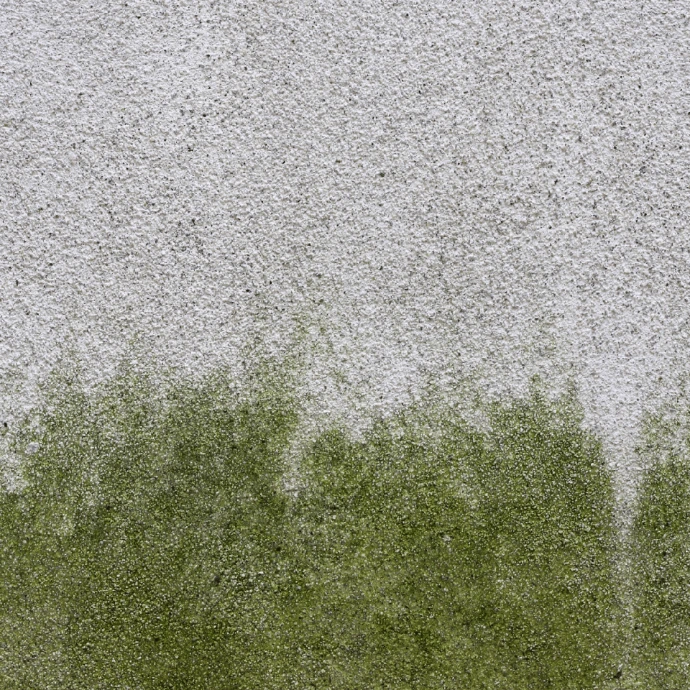
External plaster and render are exposed to some of the harshest environmental conditions, including rain, moisture, strong UV radiation, temperature fluctuations, wind, dirt and general weathering. Over time, porous rendered surfaces can absorb water and contaminants, potentially contributing to staining, moss and biological growth, surface deterioration and changes in appearance.
Choosing the right plaster sealer or render sealer can help reduce water absorption and protect exterior plaster and render while maintaining the natural appearance and breathability of the substrate. The right treatment can be particularly beneficial for rendered facades, external feature walls, boundary walls and other exposed architectural surfaces.
Rain and moisture are two of the biggest considerations when protecting external plaster and render. Porous surfaces can absorb water, allowing moisture to penetrate into the substrate and potentially contributing to staining, biological growth and weather-related deterioration.
A suitable render sealer can help make the surface water repellent, reducing the amount of water absorbed into the render while still allowing the substrate to breathe. Breathable protection is particularly important for rendered walls where moisture needs to escape from within the substrate.
For exposed exterior surfaces, choosing a water-repellent plaster sealer can provide an additional level of protection against Australia's changing weather conditions while helping the surface remain cleaner and easier to maintain.
External plaster and render need to withstand ongoing exposure to rain, sunlight, dirt and temperature changes. Without suitable protection, porous surfaces can gradually become weathered, stained and increasingly difficult to maintain.
Applying a suitable plaster sealer can help reduce the penetration of water and staining substances, helping preserve the appearance of the rendered surface for longer. Sealing is particularly beneficial for new or recently restored render, as it can provide protection before the surface becomes heavily exposed to the elements.
A breathable render sealer can also help protect without trapping moisture beneath an impermeable surface coating, making it an important consideration for long-term exterior applications.
Many rendered walls are designed to showcase the natural texture, colour and character of the render. A heavy film-forming coating can alter the appearance of the surface and may create an unwanted painted or plastic-like finish.
Penetrating render sealers can provide water-repellent protection while maintaining the natural appearance of the underlying plaster or render. Depending on the product selected, the surface can retain its original colour and texture while gaining improved resistance to water and staining.
For architectural projects and decorative exterior finishes, a natural-finish plaster sealer can be an excellent option when protection is required without significantly changing the appearance of the surface.
Exterior rendered surfaces can be exposed to dirt, dust, oils, pollutants and other contaminants in addition to rain and moisture. Once these substances penetrate a porous surface, they can be difficult to remove.
A suitable plaster and render sealer can reduce the absorption of water and staining substances, helping contaminants remain closer to the surface where they are easier to clean. This can help reduce ongoing maintenance and keep external walls looking cleaner for longer.
For areas exposed to higher levels of staining, such as boundary walls, commercial facades and external feature walls, a sealer offering additional oil and stain protection may be preferred.
Breathability is an important consideration when sealing exterior plaster and render. Moisture can naturally move through porous building materials, so the sealer should provide protection without unnecessarily restricting the movement of moisture and gases through the substrate.
A breathable external render sealer can help repel rainwater from the outside while still allowing the substrate to release moisture. This makes breathable penetrating sealers particularly suitable for many rendered walls and architectural surfaces.
ImperGuard: A breathable, natural-finish water repellent that provides strong water beading while helping maintain the appearance of the underlying plaster or render. A suitable option for external surfaces where natural water-repellent protection is desired.
ProtectGuard: Provides breathable protection against water, oils and stains. It is particularly useful for exterior plaster and render where additional resistance to staining and contamination is required.
Pro Seal 896: Provides breathable protection and stain resistance for suitable plaster and render surfaces. A good option where maintaining breathability and the natural appearance of the substrate are priorities.
Pro Seal 898: Provides enhanced water-repellent protection while maintaining breathability. Suitable for external plaster and render applications where increased protection against water absorption is required.

Plaster and render are widely used throughout commercial, hospitality and architectural projects, from building facades and feature walls to retail spaces, public areas, restaurants, hotels and other high-visibility environments. These surfaces can experience greater levels of exposure to moisture, dirt, oils, pollutants and regular cleaning than typical residential applications.
A professional plaster sealer or render sealer can provide an important layer of protection, helping reduce the absorption of water and staining substances while maintaining the appearance and natural character of the finished surface.
Commercial and architectural surfaces often need to withstand regular contact with people, cleaning products, dirt and other contaminants. Porous plaster and render can readily absorb these substances, making stains more difficult to remove and potentially affecting the appearance of the surface.
A suitable plaster sealer can help reduce the penetration of water, oils, dirt and other staining substances. This can be particularly beneficial for feature walls, commercial facades, hospitality areas and public spaces where maintaining a clean and professional appearance is important.
For surfaces exposed to higher levels of contamination, a render sealer offering additional oil and stain protection can provide an added level of protection.
Commercial and architectural projects require finishes that continue to look good long after installation. Once porous plaster or render becomes heavily stained or weathered, restoring the original appearance can be difficult and costly.
Applying the appropriate plaster sealer as part of the initial surface protection can help reduce water and stain absorption and minimise the impact of everyday exposure. This can help preserve the appearance of the plaster or render and make ongoing maintenance more manageable.
The right commercial plaster sealer will depend on the type of substrate, its porosity, whether it is an internal or external application, the level of exposure and the type of protection required.
Architectural plaster and render are often selected for their texture, colour and natural appearance. Applying a heavy film-forming coating may alter these characteristics or create an unwanted surface appearance.
Breathable, penetrating plaster sealers can provide protection while allowing the natural character of the substrate to remain visible. This makes them well suited to decorative architectural finishes where both performance and appearance are important.
Depending on the product selected, the surface can retain a natural finish or receive subtle colour or sheen enhancement while gaining improved resistance to water and staining.
Architectural plaster and render can be used to create distinctive feature walls, textured facades and decorative surfaces across a wide range of projects. Because these finishes are often highly visible, protecting them from staining and weathering is an important consideration.
A suitable render sealer can help protect external facades and architectural render from rain and moisture, while an appropriate plaster sealer can help protect interior decorative surfaces from spills, oils and everyday contamination.
For larger projects, it is important to assess the substrate and test the selected sealer before full application to ensure the desired appearance and level of protection are achieved.
Even with a quality plaster sealer or render sealer, regular maintenance is important to keep commercial and architectural surfaces looking their best. Sealing helps reduce the penetration of water, oils and staining substances, but it does not make the surface completely stain-proof or eliminate the need for cleaning.
Regularly removing dirt, dust and surface contaminants can help prevent staining from becoming more difficult to remove over time. Use cleaning products that are appropriate for the type of plaster or render and avoid aggressive cleaning methods that could damage the surface or affect the protective treatment.
For external rendered surfaces, periodic cleaning can also help remove accumulated dirt, pollutants and organic growth caused by exposure to the elements. For internal plaster and decorative finishes, prompt removal of spills and staining substances can help maintain the appearance of the surface.
Over time, the level of protection provided by a plaster sealer may reduce due to cleaning, weather exposure and general wear. Periodic assessment of the surface can help determine when additional sealer may be required.
For commercial and high-use areas, establishing a simple cleaning and maintenance routine from the beginning can help preserve the appearance and performance of the sealed plaster or render for longer.
ProtectGuard: A breathable protective treatment providing water, oil and stain repellency. A strong option for commercial and architectural applications where surfaces require a higher level of protection against staining and contamination.
ImperGuard: A breathable, natural-finish water repellent that provides strong water beading while maintaining the appearance of the underlying plaster or render. Suitable where a natural finish is a priority.
Pro Seal 896: A breathable protective treatment suitable for applications where maintaining breathability and providing stain protection are important.
Pro Seal 898: Provides enhanced water-repellent protection while retaining breathability, making it suitable for applications where increased protection against moisture is required.
How Do I Choose the Best Render/Plaster Sealer?
Before selecting a product, consider:
What type of plaster or render are you sealing?
Lime plaster, Venetian plaster, sand-finish render and cementitious surfaces can have different requirements.
Does the surface need to remain highly breathable?
For lime-based and moisture-sensitive surfaces, choose a breathable sealer that allows moisture and gases to move through the substrate.
What level of water protection do you need?
Choose between products focused on breathability, water repellency or additional stain protection.
What finish do you want?
Depending on the product, the final appearance can range from natural to satin or high gloss.
Is the surface exposed to staining?
For alfresco areas, external walls and high-risk surfaces, a product with oil and stain repellency may be preferable.
Interior plaster and render are widely used for feature walls, decorative finishes, Venetian plaster, lime plaster and other architectural surfaces.
While internal surfaces are protected from direct exposure to rain and harsh weather, porous plaster can still absorb moisture, oils, dirt and other staining substances from everyday use.
Choosing the right plaster sealer can help protect internal plaster and render while preserving the natural character, texture and appearance of the finished surface.
A suitable sealer can also make porous surfaces easier to clean and maintain, helping them retain their appearance for longer.
A quality plaster sealer provides an important layer of protection against the everyday contaminants that can affect porous interior surfaces. Water, spills, oils, food, dirt and other substances can penetrate unsealed plaster and potentially leave permanent marks or discolouration.
Applying a suitable sealer for plaster can reduce the absorption of these substances, helping protect the surface from staining and everyday wear. This is particularly valuable for decorative plaster finishes and feature walls where maintaining the original appearance is an important part of the design.
For surfaces such as Venetian plaster and lime plaster, it is also important to consider breathability. A breathable plaster sealer allows moisture and gases to move through the substrate rather than creating an impermeable barrier that may interfere with the natural characteristics of the plaster.
Many decorative plaster and render finishes are selected for their natural texture, colour and unique appearance. The wrong type of coating can alter these characteristics by creating a noticeable film or changing the surface sheen.
Penetrating and breathable plaster sealers can provide protection while maintaining the natural appearance of the substrate. Depending on the product selected, the surface can be left with a natural finish or enhanced with a subtle satin or higher-gloss appearance.
For Venetian plaster, lime plaster and other decorative finishes, selecting a plaster sealer that is compatible with the substrate is essential. The right product can enhance the appearance of the finished surface while providing protection against moisture and staining.
Porous plaster can absorb spills and staining substances quickly, making marks more difficult to remove once they penetrate the surface. Sealing the plaster can help reduce absorption and give you more time to wipe away spills before they become embedded.
A suitable interior plaster sealer can therefore make routine cleaning and maintenance easier, particularly in areas such as kitchens, bathrooms, hallways, living areas and feature walls.
By reducing the penetration of water, oils and dirt, a plaster sealer can help keep decorative plaster surfaces looking cleaner and better maintained over time.
Breathability is an important consideration when sealing many types of plaster, particularly lime-based and traditional plaster finishes. These materials are designed to interact with moisture and gases, so applying a non-breathable coating may not be appropriate.
Breathable plaster sealers provide protection while allowing the substrate to continue to release moisture and gases. This makes them a preferred option for applications where maintaining the natural properties of the plaster is important.
A plaster sealer can be particularly beneficial for decorative surfaces that are highly visible or difficult to replace. Venetian plaster, polished plaster, lime plaster and feature walls can all benefit from protection against everyday staining and moisture.
Sealing these surfaces can help preserve their colour, texture and finish while providing a practical level of protection for everyday use.
Pro Seal 896 – A breathable protective treatment suitable for plaster surfaces where stain protection and maintaining breathability are important.
Pro Seal 898 – Provides enhanced water-repellent protection while retaining breathability, making it suitable where greater moisture protection is required.
ProtectGuard – A breathable protective treatment providing water, oil and stain repellency for applications requiring a higher level of surface protection.
ImperGuard – A natural-finish water repellent that provides water-beading protection while maintaining the appearance of the underlying plaster or render.
External plaster and render are exposed to some of the harshest environmental conditions, including rain, moisture, strong UV radiation, temperature fluctuations, wind, dirt and general weathering. Over time, porous rendered surfaces can absorb water and contaminants, potentially contributing to staining, moss and biological growth, surface deterioration and changes in appearance.
Choosing the right plaster sealer or render sealer can help reduce water absorption and protect exterior plaster and render while maintaining the natural appearance and breathability of the substrate. The right treatment can be particularly beneficial for rendered facades, external feature walls, boundary walls and other exposed architectural surfaces.
Rain and moisture are two of the biggest considerations when protecting external plaster and render. Porous surfaces can absorb water, allowing moisture to penetrate into the substrate and potentially contributing to staining, biological growth and weather-related deterioration.
A suitable render sealer can help make the surface water repellent, reducing the amount of water absorbed into the render while still allowing the substrate to breathe. Breathable protection is particularly important for rendered walls where moisture needs to escape from within the substrate.
For exposed exterior surfaces, choosing a water-repellent plaster sealer can provide an additional level of protection against Australia's changing weather conditions while helping the surface remain cleaner and easier to maintain.
External plaster and render need to withstand ongoing exposure to rain, sunlight, dirt and temperature changes. Without suitable protection, porous surfaces can gradually become weathered, stained and increasingly difficult to maintain.
Applying a suitable plaster sealer can help reduce the penetration of water and staining substances, helping preserve the appearance of the rendered surface for longer. Sealing is particularly beneficial for new or recently restored render, as it can provide protection before the surface becomes heavily exposed to the elements.
A breathable render sealer can also help protect without trapping moisture beneath an impermeable surface coating, making it an important consideration for long-term exterior applications.
Many rendered walls are designed to showcase the natural texture, colour and character of the render. A heavy film-forming coating can alter the appearance of the surface and may create an unwanted painted or plastic-like finish.
Penetrating render sealers can provide water-repellent protection while maintaining the natural appearance of the underlying plaster or render. Depending on the product selected, the surface can retain its original colour and texture while gaining improved resistance to water and staining.
For architectural projects and decorative exterior finishes, a natural-finish plaster sealer can be an excellent option when protection is required without significantly changing the appearance of the surface.
Exterior rendered surfaces can be exposed to dirt, dust, oils, pollutants and other contaminants in addition to rain and moisture. Once these substances penetrate a porous surface, they can be difficult to remove.
A suitable plaster and render sealer can reduce the absorption of water and staining substances, helping contaminants remain closer to the surface where they are easier to clean. This can help reduce ongoing maintenance and keep external walls looking cleaner for longer.
For areas exposed to higher levels of staining, such as boundary walls, commercial facades and external feature walls, a sealer offering additional oil and stain protection may be preferred.
Breathability is an important consideration when sealing exterior plaster and render. Moisture can naturally move through porous building materials, so the sealer should provide protection without unnecessarily restricting the movement of moisture and gases through the substrate.
A breathable external render sealer can help repel rainwater from the outside while still allowing the substrate to release moisture. This makes breathable penetrating sealers particularly suitable for many rendered walls and architectural surfaces.
ImperGuard: A breathable, natural-finish water repellent that provides strong water beading while helping maintain the appearance of the underlying plaster or render. A suitable option for external surfaces where natural water-repellent protection is desired.
ProtectGuard: Provides breathable protection against water, oils and stains. It is particularly useful for exterior plaster and render where additional resistance to staining and contamination is required.
Pro Seal 896: Provides breathable protection and stain resistance for suitable plaster and render surfaces. A good option where maintaining breathability and the natural appearance of the substrate are priorities.
Pro Seal 898: Provides enhanced water-repellent protection while maintaining breathability. Suitable for external plaster and render applications where increased protection against water absorption is required.
Plaster and render are widely used throughout commercial, hospitality and architectural projects, from building facades and feature walls to retail spaces, public areas, restaurants, hotels and other high-visibility environments. These surfaces can experience greater levels of exposure to moisture, dirt, oils, pollutants and regular cleaning than typical residential applications.
A professional plaster sealer or render sealer can provide an important layer of protection, helping reduce the absorption of water and staining substances while maintaining the appearance and natural character of the finished surface.
Commercial and architectural surfaces often need to withstand regular contact with people, cleaning products, dirt and other contaminants. Porous plaster and render can readily absorb these substances, making stains more difficult to remove and potentially affecting the appearance of the surface.
A suitable plaster sealer can help reduce the penetration of water, oils, dirt and other staining substances. This can be particularly beneficial for feature walls, commercial facades, hospitality areas and public spaces where maintaining a clean and professional appearance is important.
For surfaces exposed to higher levels of contamination, a render sealer offering additional oil and stain protection can provide an added level of protection.
Commercial and architectural projects require finishes that continue to look good long after installation. Once porous plaster or render becomes heavily stained or weathered, restoring the original appearance can be difficult and costly.
Applying the appropriate plaster sealer as part of the initial surface protection can help reduce water and stain absorption and minimise the impact of everyday exposure. This can help preserve the appearance of the plaster or render and make ongoing maintenance more manageable.
The right commercial plaster sealer will depend on the type of substrate, its porosity, whether it is an internal or external application, the level of exposure and the type of protection required.
Architectural plaster and render are often selected for their texture, colour and natural appearance. Applying a heavy film-forming coating may alter these characteristics or create an unwanted surface appearance.
Breathable, penetrating plaster sealers can provide protection while allowing the natural character of the substrate to remain visible. This makes them well suited to decorative architectural finishes where both performance and appearance are important.
Depending on the product selected, the surface can retain a natural finish or receive subtle colour or sheen enhancement while gaining improved resistance to water and staining.
Architectural plaster and render can be used to create distinctive feature walls, textured facades and decorative surfaces across a wide range of projects. Because these finishes are often highly visible, protecting them from staining and weathering is an important consideration.
A suitable render sealer can help protect external facades and architectural render from rain and moisture, while an appropriate plaster sealer can help protect interior decorative surfaces from spills, oils and everyday contamination.
For larger projects, it is important to assess the substrate and test the selected sealer before full application to ensure the desired appearance and level of protection are achieved.
Even with a quality plaster sealer or render sealer, regular maintenance is important to keep commercial and architectural surfaces looking their best. Sealing helps reduce the penetration of water, oils and staining substances, but it does not make the surface completely stain-proof or eliminate the need for cleaning.
Regularly removing dirt, dust and surface contaminants can help prevent staining from becoming more difficult to remove over time. Use cleaning products that are appropriate for the type of plaster or render and avoid aggressive cleaning methods that could damage the surface or affect the protective treatment.
For external rendered surfaces, periodic cleaning can also help remove accumulated dirt, pollutants and organic growth caused by exposure to the elements. For internal plaster and decorative finishes, prompt removal of spills and staining substances can help maintain the appearance of the surface.
Over time, the level of protection provided by a plaster sealer may reduce due to cleaning, weather exposure and general wear. Periodic assessment of the surface can help determine when additional sealer may be required.
For commercial and high-use areas, establishing a simple cleaning and maintenance routine from the beginning can help preserve the appearance and performance of the sealed plaster or render for longer.
ProtectGuard: A breathable protective treatment providing water, oil and stain repellency. A strong option for commercial and architectural applications where surfaces require a higher level of protection against staining and contamination.
ImperGuard: A breathable, natural-finish water repellent that provides strong water beading while maintaining the appearance of the underlying plaster or render. Suitable where a natural finish is a priority.
Pro Seal 896: A breathable protective treatment suitable for applications where maintaining breathability and providing stain protection are important.
Pro Seal 898: Provides enhanced water-repellent protection while retaining breathability, making it suitable for applications where increased protection against moisture is required.
Render & Plaster by Type
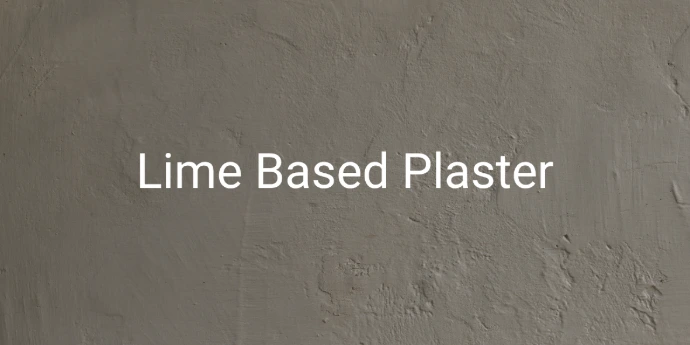
Lime-based plaster needs to remain breathable so that excess moisture can escape and carbonation can continue. If lime plaster does not breath it will not continue to cure. Complete deep curing on traditional lime plaster can take years.
For this reason, choosing a breathable lime plaster sealer is particularly important. Pro Seal 896 and Pro Seal 898 can be used on lime-based plaster while allowing some gas diffusion, while providing good physical and stain protection..
For applications where high breathability is the main priority, ProtectGuard or ImperGuard provide almost uninhibited gas transfer.
Even for very breathable sealers it is recommended to allow at least 28 days of initial curing before applying sealers. Applying earlier risks damaging the appearance of the lime.
Recommended products:
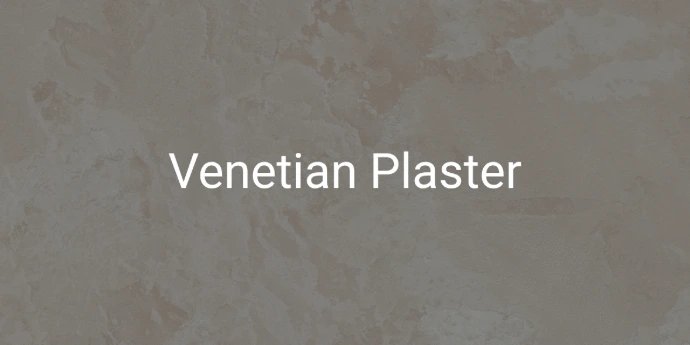
Venetian plaster is a lime based plaster which contains crushed marble dust. Marble has a very fine pore structure and therefore requires either a high quality penetrating sealer which is capable of getting into these tiny pores, or a semi topical sealer which creates a physical barrier against water, oils and stains.
ProtectGuard MG is a very deep penetrating sealer that is able to seal marble better than most. It allows maximum breathability (class V1) to allow full cure of the lime, while providing a strong repellency against water and oils.
Pro Seal 896 and Pro Seal 898 provide breathable protection and are suitable for Venetian plaster applications. These provide a low build physical barrier and are very good options where protection and ease of cleaning is more important than a completely natural finish, such as splash backs behind cook tops or BBQ's.
Recommended products:
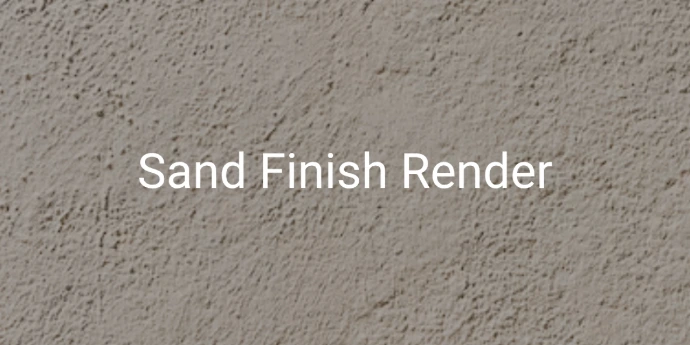
Sand finish render is a textured, porous surface that can absorb water and moisture, making it more susceptible to staining, weathering and surface deterioration. The right render sealer can help protect the surface while maintaining its natural textured appearance.
Pro Seal 770 and Pro Primer 575 are very good options for sand finish render as they provide binding and stabilisation to strengthening the surface. They can both be used as either admixes in the render itself, or as surface sealers or primers.
Pro Primer 575 is stronger but it is not UV stable so it can yellow. It is best used when the render will be painted.
The best sealer for your sand finished render will depend on the condition and porosity of the surface, whether the render is interior or exterior, and whether the priority is surface strengthening, water repellency or stain protection.
Recommended products:
Render & Plaster by Type
Lime-based plaster needs to remain breathable so that excess moisture can escape and carbonation can continue. If lime plaster does not breath it will not continue to cure. Complete deep curing on traditional lime plaster can take years.
For this reason, choosing a breathable lime plaster sealer is particularly important. Pro Seal 896 and Pro Seal 898 can be used on lime-based plaster while allowing some gas diffusion, while providing good physical and stain protection..
For applications where high breathability is the main priority, ProtectGuard or ImperGuard provide almost uninhibited gas transfer.
Even for very breathable sealers it is recommended to allow at least 28 days of initial curing before applying sealers. Applying earlier risks damaging the appearance of the lime.
Recommended products:
Venetian plaster is a lime based plaster which contains crushed marble dust. Marble has a very fine pore structure and therefore requires either a high quality penetrating sealer which is capable of getting into these tiny pores, or a semi topical sealer which creates a physical barrier against water, oils and stains.
ProtectGuard MG is a very deep penetrating sealer that is able to seal marble better than most. It allows maximum breathability (class V1) to allow full cure of the lime, while providing a strong repellency against water and oils.
Pro Seal 896 and Pro Seal 898 provide breathable protection and are suitable for Venetian plaster applications. These provide a low build physical barrier and are very good options where protection and ease of cleaning is more important than a completely natural finish, such as splash backs behind cook tops or BBQ's.
Recommended products:
Sand finish render is a textured, porous surface that can absorb water and moisture, making it more susceptible to staining, weathering and surface deterioration. The right render sealer can help protect the surface while maintaining its natural textured appearance.
Pro Seal 770 and Pro Primer 575 are very good options for sand finish render as they provide binding and stabilisation to strengthening the surface. They can both be used as either admixes in the render itself, or as surface sealers or primers.
Pro Primer 575 is stronger but it is not UV stable so it can yellow. It is best used when the render will be painted.
The best sealer for your sand finished render will depend on the condition and porosity of the surface, whether the render is interior or exterior, and whether the priority is surface strengthening, water repellency or stain protection.
Recommended products:
Why Seal Render or Plaster?
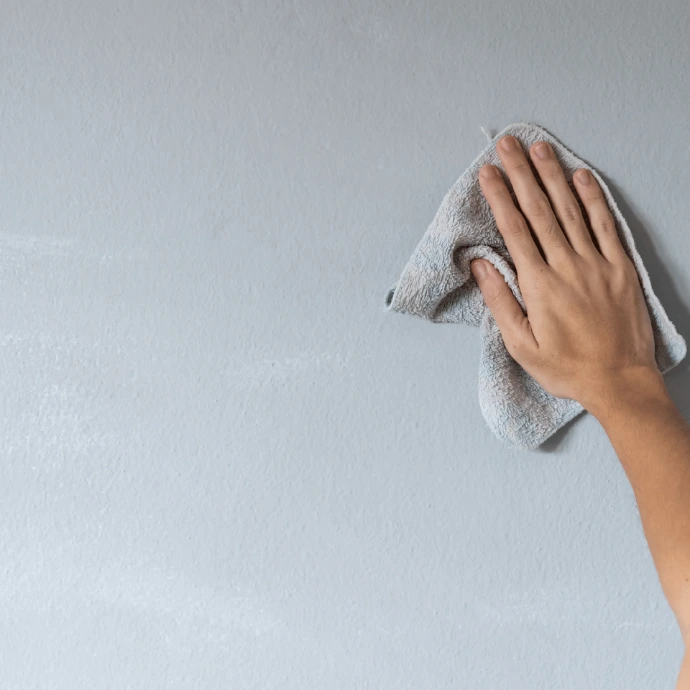
Makes
Cleaning Easier
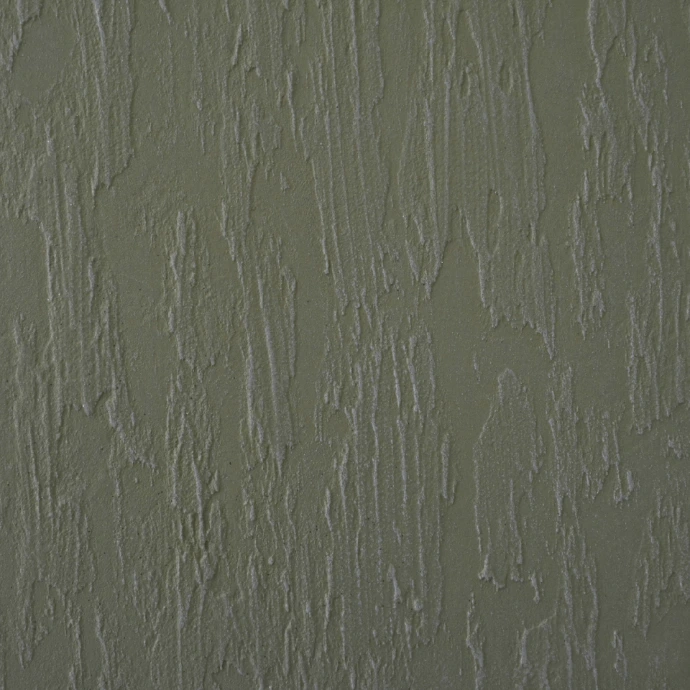
Preserve
Natural Beauty
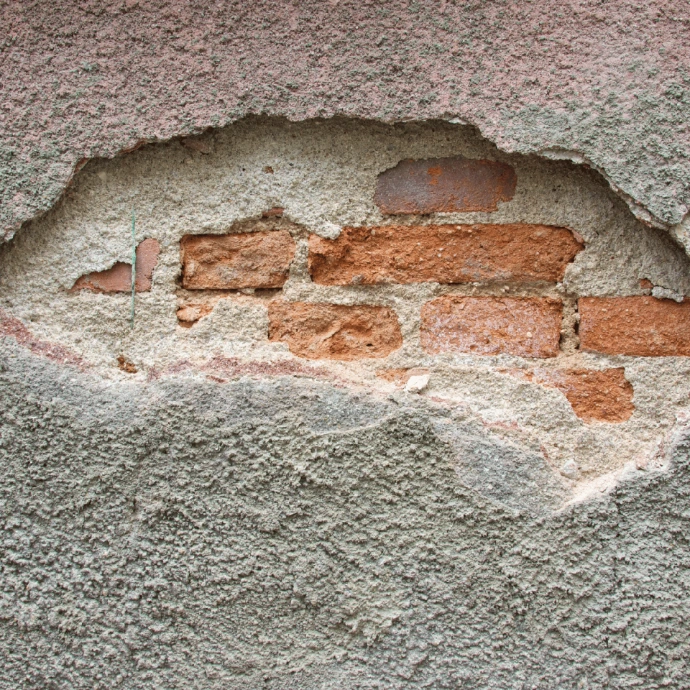
Reduce
Weathering

Extend
Surface
Life
Reduce
Biological Growth
Protect
Against Staining
Why Seal Render or Plaster?
Makes
Cleaning Easier
Preserve
Natural Beauty
Reduce
Weathering
Extend
Surface Life
Reduce
Biological Growth
Protect
Against Staining